
Teach with confidence from day one
A mentor-in-your-pocket program that gives aspiring and early-career high school teachers the classroom management, lesson design, and student engagement skills they actually need — built from the classroom up, not the textbook down.
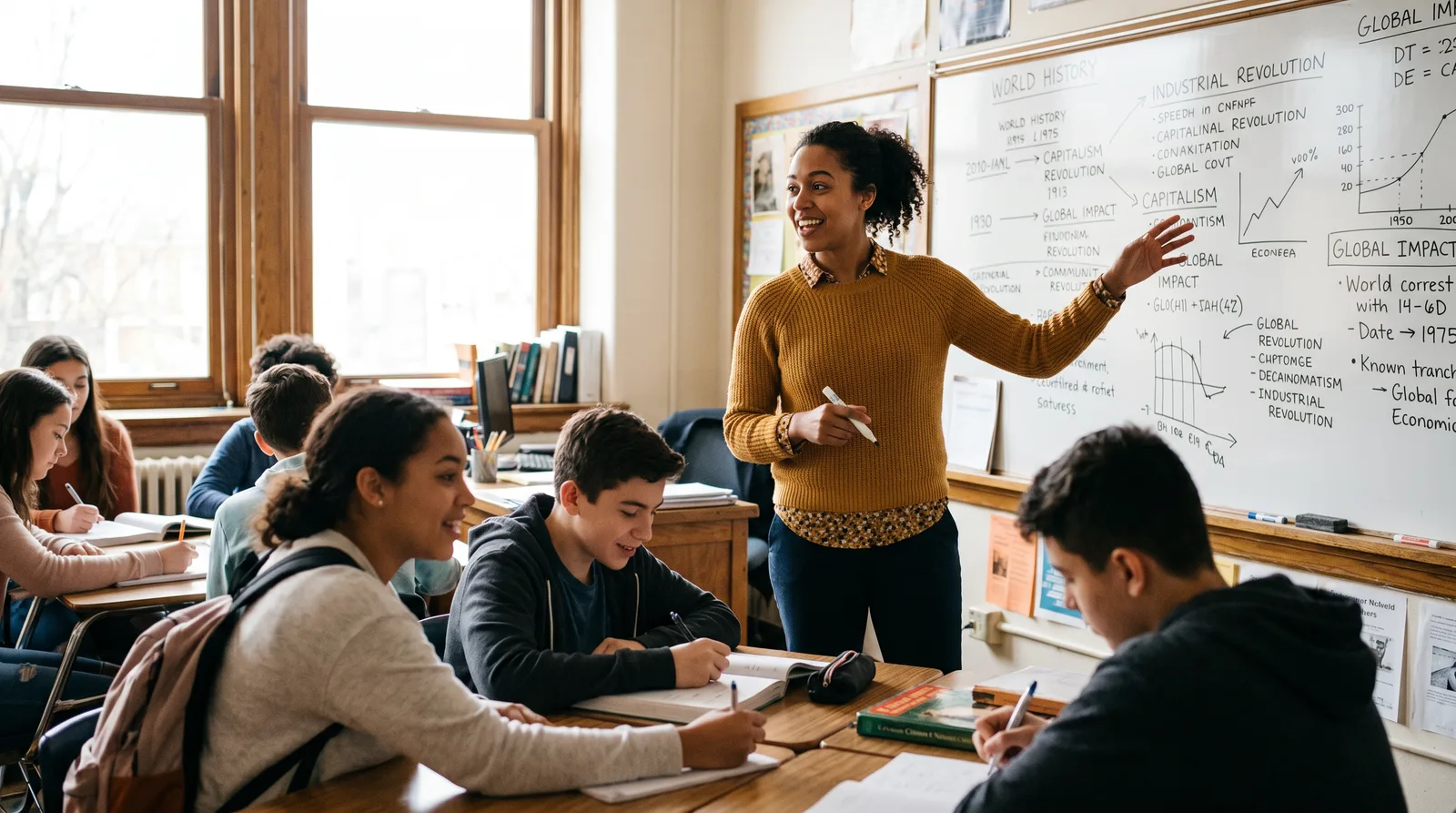
"The teachers who thrive aren't born that way — they get the right tools early, and they use them."— Enstay
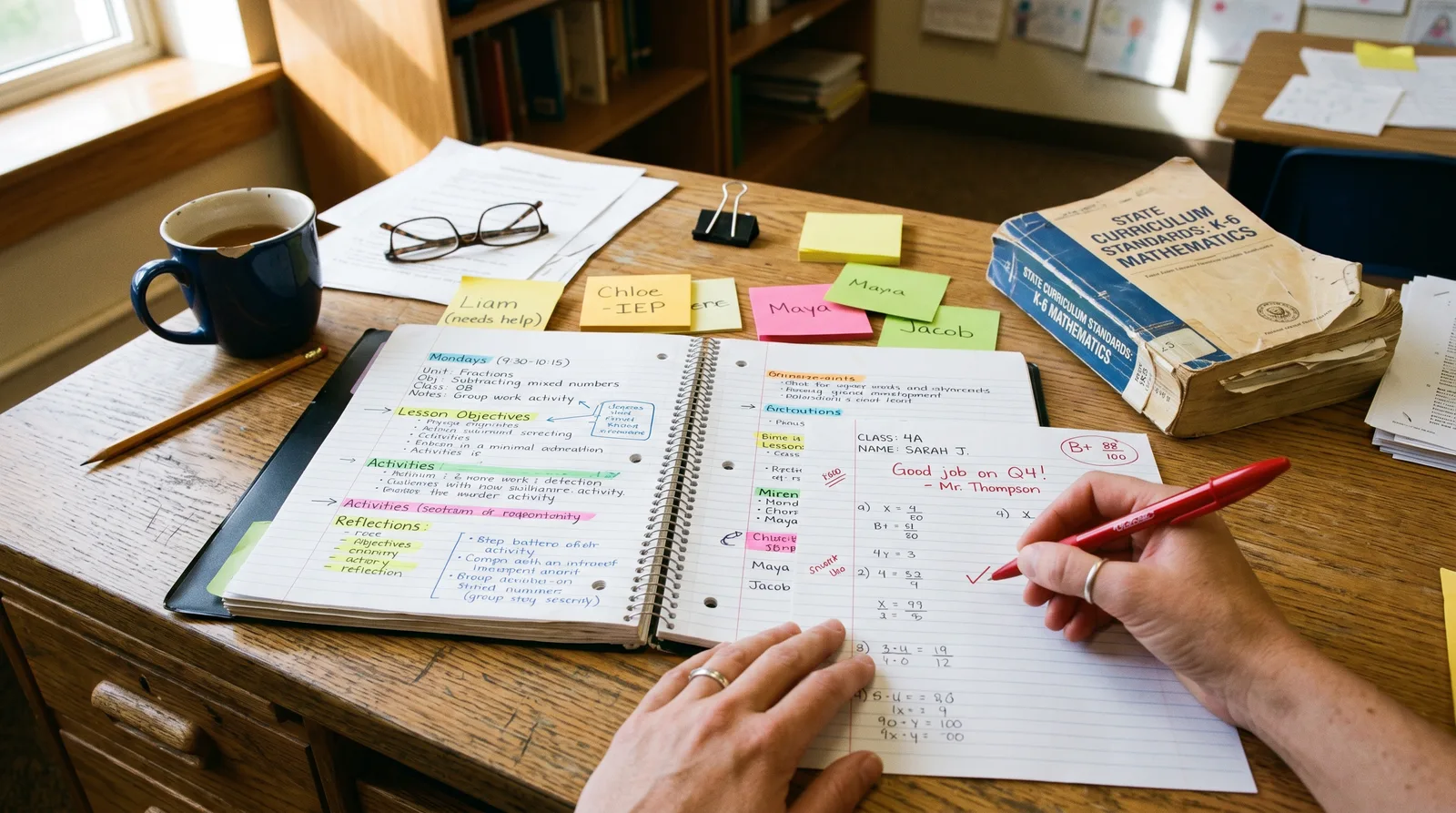
What you'll learn
What you'll be able to do
- Design rigorous, standards-aligned lesson plans that keep students actively engaged from bell to bell
- Establish a positive classroom culture and clear behavioral expectations from the very first day
- Differentiate instruction to meet the needs of diverse learners, including ELL and IEP students
- Use formative and summative assessment data to adjust your teaching and close learning gaps
- Manage difficult classroom moments and de-escalate conflict with calm, effective strategies
- Build authentic relationships with students, parents, and colleagues that support long-term success
How it works
A school that adapts to you
This isn't a set of static videos. Every lesson is generated live and tuned to where you actually are.
We learn your level
A quick placement check tailors your starting point so you're never bored or lost.
Lessons adapt as you go
Each lesson is written for your pace and your goal, adjusting as your skills grow.
Your AI coach keeps you moving
Checkpoints, feedback, and gentle nudges turn progress into a real result.
The curriculum
What's inside your school
24 modules · 173 lessons

Classroom Culture & Management from Day One
Establishes the physical, social, and behavioral foundation of a productive classroom before any instruction begins. Sequenced first because culture is the prerequisite for every other outcome — engagement, differentiation, and assessment all collapse without it.
- 1.1Designing Your Classroom EnvironmentIncluded
- 1.2Building Routines and Procedures That StickIncluded
- 1.3Setting Behavioral Expectations and NormsIncluded
- 1.4De-escalating Conflict and Managing Difficult MomentsIncluded
ICT in Education
- 2.1ICT in Education: Concepts, Evolution, and RationaleIncluded
- 2.2Digital Literacy for Teachers: Core Skills and CompetenciesIncluded
- 2.3Hardware in Schools: Computers, Tablets, Projectors, and Smart DevicesIncluded
- 2.4Educational Software and Applications: Categories and UsesIncluded
- 2.5ICT for Teaching, Learning, and AssessmentIncluded
- 2.6ICT Infrastructure in Schools: Connectivity, Power, and AccessIncluded
- 2.7Barriers to ICT Integration and Practical SolutionsIncluded
- 2.8ICT Policy and Strategy at School LevelIncluded
Digital Teaching Tools and Platforms
- 3.1Learning Management Systems (LMS): Purpose and Core FeaturesIncluded
- 3.2Digital Content Creation Tools: Documents, Slides, and Interactive MediaIncluded
- 3.3Online Collaboration Tools: Shared Workspaces and CommunicationIncluded
- 3.4Digital Assessment Tools: Quizzes, Polls, and AnalyticsIncluded
- 3.5Classroom Presentation Tools and Interactive DisplaysIncluded
- 3.6Subject-Specific Digital Tools and SimulationsIncluded
- 3.7Selecting and Evaluating Digital Tools for Pedagogical FitIncluded
- 3.8Managing Digital Classrooms and Online Learner EngagementIncluded
Audio-Visual and Multimedia Learning
- 4.1Principles of Multimedia Learning and Cognitive LoadIncluded
- 4.2Designing Effective Slides and Visual MaterialsIncluded
- 4.3Using Images, Diagrams, and Animations to Support LearningIncluded
- 4.4Educational Video: Selection, Creation, and Classroom UseIncluded
- 4.5Audio Resources: Podcasts, Voice Notes, and NarrationIncluded
- 4.6Interactive Multimedia: Simulations, Games, and Virtual LabsIncluded
- 4.7Accessibility in Multimedia: Captions, Contrast, and Universal DesignIncluded
- 4.8Evaluating the Impact of Multimedia on Learning OutcomesIncluded
Online and Blended Learning Methods
- 5.1Online Learning Models: Synchronous, Asynchronous, and HybridIncluded
- 5.2Designing Blended Lessons: Integrating Online and Face-to-Face LearningIncluded
- 5.3Managing Online Classes: Communication, Engagement, and BehaviourIncluded
- 5.4Digital Assessment in Online and Blended EnvironmentsIncluded
- 5.5Supporting Learners in Online Learning: Motivation and Self-RegulationIncluded
- 5.6Differentiation and Inclusion in Online LearningIncluded
- 5.7Monitoring Progress and Participation in Digital LearningIncluded
- 5.8Quality Assurance in Online and Blended TeachingIncluded
Responsible Use of Technology in Schools
- 6.1Digital Citizenship: Rights, Responsibilities, and Online BehaviourIncluded
- 6.2Cyber Safety and Learner ProtectionIncluded
- 6.3Data Privacy, Security, and Ethical Use of InformationIncluded
- 6.4Academic Integrity in Digital EnvironmentsIncluded
- 6.5Managing Screen Time and Digital WellbeingIncluded
- 6.6Inclusive and Assistive Technologies for Diverse LearnersIncluded
- 6.7School Policies on Technology Use: BYOD and Acceptable UseIncluded
- 6.8Teacher Professional Conduct in Digital SpacesIncluded
Principles of Inclusive Education
- 7.1Inclusive Education Defined: Concepts, Rationale, and Core ValuesIncluded
- 7.2Equity vs Equality: What Inclusion Looks Like in PracticeIncluded
- 7.3Rights-Based Education and Inclusive Policy FrameworksIncluded
- 7.4Barriers to Learning and Participation: Types and CausesIncluded
- 7.5Inclusion in Secondary Schools: Teacher Roles and ResponsibilitiesIncluded
- 7.6Creating Inclusive Classroom Environments: Climate, Belonging, and ParticipationIncluded
- 7.7Universal Design for Learning (UDL): Foundations and Classroom ApplicationIncluded
- 7.8Inclusive Assessment: Fairness, Accessibility, and IntegrityIncluded
Learners with Special Educational Needs
- 8.1Understanding Special Educational Needs: Categories and Support LevelsIncluded
- 8.2Early Identification and Referral: Classroom Observation and DocumentationIncluded
- 8.3Learning Difficulties: Dyslexia, Dyscalculia, and Processing ChallengesIncluded
- 8.4Attention and Behaviour Needs: ADHD and Related ChallengesIncluded
- 8.5Autism Spectrum and Social Communication NeedsIncluded
- 8.6Sensory Impairments: Visual and Hearing Support StrategiesIncluded
- 8.7Physical Disabilities and Access Needs in Secondary SchoolsIncluded
- 8.8Individual Support Plans (IEP/ISP): Goals, Accommodations, and ReviewIncluded
Gender, Culture, and Diversity in Schools
- 9.1Diversity in Schools: Concepts, Benefits, and Bias AwarenessIncluded
- 9.2Gender Inclusion: Participation, Safety, and Equal OpportunityIncluded
- 9.3Culture and Identity: Culturally Responsive Teaching in Secondary ClassroomsIncluded
- 9.4Language Diversity and Multilingual Support StrategiesIncluded
- 9.5Socioeconomic Diversity: Supporting Learners Facing DisadvantageIncluded
- 9.6Preventing Discrimination and Bullying: Inclusive School CultureIncluded
- 9.7Addressing Bias in Curriculum and Learning MaterialsIncluded
- 9.8Inclusive Communication and Representation: Teacher Language and PracticeIncluded
Differentiated Instruction Strategies
- 10.1Differentiation Basics: Why, When, and HowIncluded
- 10.2Differentiating Content: Access Paths to Core KnowledgeIncluded
- 10.3Differentiating Process: Scaffolding, Grouping, and Support ToolsIncluded
- 10.4Differentiating Product: Choice, Output Options, and Assessment EvidenceIncluded
- 10.5Flexible Grouping: Rotations, Peer Support, and Cooperative StructuresIncluded
- 10.6Scaffolding and Gradual Release for Mixed-Ability ClassesIncluded
- 10.7Differentiation in Assessment: Accommodations and ModificationsIncluded
- 10.8Managing Differentiation in Large Classes: Systems and RoutinesIncluded
Collaboration with Parents and Specialists
- 11.1Working with Parents: Partnership Principles and Communication ProtocolsIncluded
- 11.2Conducting Learner Support Meetings: Preparation and DocumentationIncluded
- 11.3School-Based Support Teams: Roles, Processes, and Case ManagementIncluded
- 11.4Referral Pathways and External Services: When and How to ReferIncluded
- 11.5Working with Specialists: Psychologists, Therapists, and Learning SupportIncluded
- 11.6Coordinated Support Plans: Aligning Home, School, and Specialist InputIncluded
- 11.7Confidentiality, Consent, and Ethical Practice in Support CasesIncluded
- 11.8Monitoring, Review, and Reporting: Tracking Learner Support OutcomesIncluded
Introduction to Educational Research
- 12.1Educational Research: Purpose, Value, and Teacher RoleIncluded
- 12.2Research Concepts and Terminology: Variables, Samples, Bias, ValidityIncluded
- 12.3Types of Educational Research: Quantitative, Qualitative, Mixed MethodsIncluded
- 12.4Research Problems and Questions: Identifying a Focus in SchoolsIncluded
- 12.5Literature Review Basics: Finding, Reading, and Synthesising SourcesIncluded
- 12.6Research Ethics: Consent, Confidentiality, and Protection of LearnersIncluded
- 12.7Data Collection Methods Overview: Surveys, Interviews, Observation, TestsIncluded
- 12.8Data Analysis Overview: Coding, Descriptive Statistics, and InterpretationIncluded
Action Research in the Classroom
- 13.1Action Research Defined: Cycles, Purpose, and Classroom ImprovementIncluded
- 13.2Selecting an Action Research Topic: Classroom Problems and PrioritiesIncluded
- 13.3Planning the Intervention: Baseline Data and Success IndicatorsIncluded
- 13.4Action Research Tools: Observation Schedules, Checklists, and RubricsIncluded
- 13.5Implementing the Intervention: Managing Change in the ClassroomIncluded
- 13.6Monitoring and Data Collection During InterventionIncluded
- 13.7Evaluating Outcomes: What Worked, What Didn’t, and WhyIncluded
- 13.8Reporting Action Research Findings for Professional UseIncluded
Reflective Teaching Practice
- 14.1Reflective Practice: Models, Benefits, and Teacher DevelopmentIncluded
- 14.2Reflective Journals and Logs: Structure and Evidence-Based ReflectionIncluded
- 14.3Lesson Observation: Self, Peer, Mentor, and Supervisor ApproachesIncluded
- 14.4Using Learner Feedback to Improve TeachingIncluded
- 14.5Reflecting on Assessment Data: Diagnosing Gaps and Adjusting TeachingIncluded
- 14.6Reflective Planning: Setting Professional Growth GoalsIncluded
- 14.7Teaching Portfolios: Evidence Selection and Professional PresentationIncluded
- 14.8Professional Learning Communities (PLCs): Collaboration and ImprovemenIncluded
Professional Documentation and Reporting
- 15.1Professional Writing for Teachers: Standards, Tone, and ClarityIncluded
- 15.2Lesson Documentation: Plans, Reflections, and Evidence FilesIncluded
- 15.3Assessment Documentation: Memos, Rubrics, and Moderation RecordsIncluded
- 15.4Learner Records and Reporting: Progress Reports and Meeting NotesIncluded
- 15.5Incident Reports and Safeguarding DocumentationIncluded
- 15.6School Reports: Department Reports and School Improvement InputsIncluded
- 15.7Using Data in Reports: Tables, Graphs, and Summary NarrativesIncluded
- 15.8Presenting Findings: Oral Reporting, Posters, and Slide PresentationsIncluded
School-Based Research Project
- 16.1Project Overview: Expectations, Outputs, and Assessment CriteriaIncluded
- 16.2Writing a Research Proposal: Background, Problem, and QuestionsIncluded
- 16.3Research Design for School Settings: Feasibility and Scope ControlIncluded
- 16.4Developing Instruments: Piloting, Revision, and Reliability ChecksIncluded
- 16.5Data Collection Plan: Scheduling, Permissions, and LogisticsIncluded
- 16.6Analysing and Interpreting Findings: Evidence to ConclusionsIncluded
- 16.7Writing the Final Report: Structure, Referencing, and AppendicesIncluded
- 16.8Project Presentation and Viva: Defending Methods and FindingsIncluded
Teaching Practice Orientation
- 17.1Teaching Practice Overview: Purpose, Expectations, and Assessment CriteriaIncluded
- 17.2School Induction: Policies, Timetables, and Staff StructuresIncluded
- 17.3Roles and Responsibilities of the Student TeacherIncluded
- 17.4Teaching Practice Documentation: Logs, Schemes, and Lesson FilesIncluded
- 17.5Health, Safety, and Safeguarding During Teaching PracticeIncluded
- 17.6Professional Communication in Schools: Reporting and ProtocolsIncluded
- 17.7Planning for Teaching Practice: Personal Targets and Readiness ChecklistIncluded
Supervised Classroom Teaching
- 18.1Transition from Observation to Teaching: Gradual Release ModelIncluded
- 18.2Teaching Under Supervision: Lesson Delivery StandardsIncluded
- 18.3Managing the Classroom During Teaching PracticeIncluded
- 18.4Using Teaching Aids and Technology in Live ClassroomsIncluded
- 18.5Differentiation and Inclusion in Teaching Practice LessonsIncluded
- 18.6Assessment and Feedback During Teaching PracticeIncluded
- 18.7Teaching Multiple Classes and Grade LevelsIncluded
- 18.8Responding to Challenges and Adjusting Instruction in Real TimeIncluded
Lesson Observation and Evaluation
- 19.1Lesson Observation Purpose, Criteria, and ToolsIncluded
- 19.2Observing Experienced Teachers: Focus Areas and Note-TakingIncluded
- 19.3Self-Observation and Reflection TechniquesIncluded
- 19.4Mentor and Supervisor Observations: Expectations and ProcessIncluded
- 19.5Using Observation Feedback to Improve TeachingIncluded
- 19.6Mid-Practice Evaluation and Development PlanningIncluded
- 19.7Final Teaching Practice Evaluation and ScoringIncluded
Professional Conduct in Schools
- 20.1Teacher Professional Ethics During Teaching PracticeIncluded
- 20.2Professional Behaviour: Punctuality, Dress, and Workplace NormsIncluded
- 20.3Relationships with Learners: Boundaries and SafeguardingIncluded
- 20.4Working with Colleagues, Mentors, and School LeadershipIncluded
- 20.5Communication with Parents and Guardians (Under Supervision)Included
- 20.6Handling Professional Challenges and Conflict During AttachmentIncluded
- 20.7Legal and Policy Compliance During Teaching PracticeIncluded
Teaching Practice Portfolio
- 21.1Teaching Practice Portfolio Requirements and Evidence StandardsIncluded
- 21.2Lesson Plans and Schemes as Portfolio EvidenceIncluded
- 21.3Observation Reports and Evaluation Forms in the PortfolioIncluded
- 21.4Learner Work Samples, Assessments, and Feedback RecordsIncluded
- 21.5Reflective Journal and Professional Growth EvidenceIncluded
- 21.6Portfolio Organisation, Presentation, and Submission GuidelinesIncluded
- 21.7Teaching Practice Viva and Portfolio DefenceIncluded
Teacher Professional Identity
- 22.1Teacher Professional Identity: Meaning, Values, and PurposeIncluded
- 22.2Professional Standards for Teachers: Expectations and CompetenciesIncluded
- 22.3Teacher Roles Beyond the Classroom: Leadership and ServiceIncluded
- 22.4Reflective Professional Growth: Strengths, Gaps, and Career GoalsIncluded
- 22.5Professional Membership and Registration BodiesIncluded
- 22.6Teacher Image and Public Trust: Conduct, Communication, and PresenceIncluded
Education Law and Policy
- 23.1Education Law Overview: Rights, Duties, and AccountabilityIncluded
- 23.2National Education Policies and Curriculum RegulationsIncluded
- 23.3Child Protection, Safeguarding, and Legal ObligationsIncluded
- 23.4Teacher Employment Law: Contracts, Conditions, and Disciplinary ProcessesIncluded
- 23.5Assessment, Examination, and Certification RegulationsIncluded
- 23.6Professional Misconduct and Legal Consequences in TeachingIncluded
Career Development and Ethics
- 24.1New lessonIncluded
Who it's for
Is this you?

Credential Candidates
You're still in your program and want practical skills that go beyond what the coursework covers — so you walk into student teaching ready.

Student Teachers
You're in a practicum placement right now and need real, usable strategies for classroom management and lesson design you can apply this week.

First-Year Teachers
You have your own classroom for the first time and need a trusted guide for everything from setting norms to surviving parent conferences.
Early-Career Educators
You're one to three years in, things are getting better, but you want to level up your lesson design, differentiation, and long-term sustainability.

Career Changers
You're coming from another field with subject-matter expertise but need a fast, practical foundation in how high school classrooms actually work.
Paraprofessionals Moving Up
You've worked in schools and now you're pursuing your credential — this school bridges what you've observed with the skills you'll need as the teacher of record.
Questions
Frequently asked
Your teacher
A note from your teacher
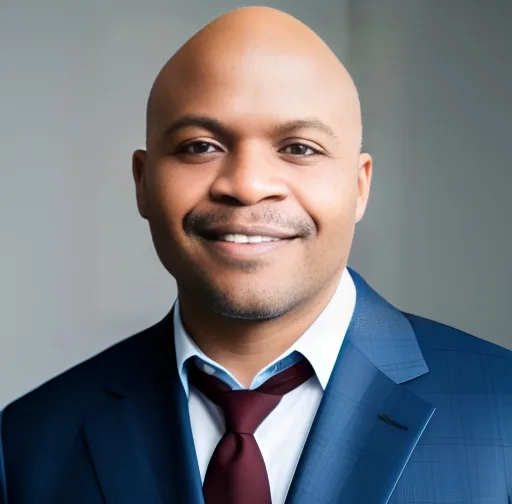
Enstay
If you're reading this, there's a good chance you're somewhere between excited and terrified — and honestly, that's exactly the right place to start.
You chose teaching because you care about students. You believe in the power of a great classroom. But somewhere between that belief and your actual first weeks in front of a room full of teenagers, things got complicated. Maybe your lessons aren't landing the way you pictured. Maybe one or two students are derailing your whole class period. Maybe you're staying up until midnight planning, and still not sure it's good enough. I've been there. Most good teachers have.
Here's what I know after years in and around high school classrooms: the teachers who thrive aren't the ones who were born naturally brilliant at this — they're the ones who got the right tools early and knew how to use them. That's what this school is built to give you. We start with your classroom culture — your physical space, your routines, your norms — because without that foundation, nothing else works. Then we move into lesson design that actually drives engagement from bell to bell, not just the first ten minutes. We get into differentiation that's real and doable in a class of thirty-two students with wildly different needs. We cover assessment that informs your teaching instead of just generating grades. We talk about relationships — with students, families, and your own colleagues — because teaching is a deeply human profession, and the relationships are where the leverage lives.
And because I've watched too many talented teachers leave the profession in their third year, exhausted and unsupported, we also spend real time on sustainability. How you protect your energy. How you learn from your own practice without being crushed by self-criticism. How you build a professional network and a career vision that keeps you growing.
This isn't a theory course. Everything here is classroom-tested, jargon-free, and built for someone who is in the middle of this — or is about to be. You're intelligent, you're motivated, and you deserve training that respects both of those things. Come learn with me.
— Enstay
Start your journey today
Join get instant access — learn at your own pace with an AI coach in your corner.
$39/mo
Recurring billing · cancel anytime
Secure checkout · Instant access
- 24 modules, 173 lessons
- AI-adaptive lessons tuned to your level
- Quizzes & checkpoints to lock in progress
- Your own AI learning coach
- Learn on any device, at your pace
- Full access for as long as you're subscribed